Skip to content
Platform Status: Pre-Revenue · Pre-Incorporation · Conditionally Feasible · ESC-IPM-2026-003 · May 2026 — No contracts signed. No financing secured. No operating assets deployed. All projections are management estimates only.
Institutional Clean Energy Infrastructure
4 min readLast updated · May 2026

&

EthioSolar Canada Inc. and EthioSolar Ethiopia PLC deploy sovereign-grade solar infrastructure through a dual-corporate structure — integrating Canadian financial rigor with Ethiopian operational excellence to power the future of African agriculture and industry.

Investor RelationsPartner With Us
IPM Rev. 003 · Conditionally Feasible · 11 Preconditions
Base Case IRR
~30%

Management estimate — not audited

Platform Break-Even
~Month 24

Base case — highly conditional

Phase 3 Abatement
8.9–9.7k tCO₂e
Beneficiaries Y5
0+
Platform Architecture

Three Verticals of Deployment

An integrated model addressing the entire renewable value chain — from rural subsistence to urban commercial power.

[ Architecture v1.0 ]
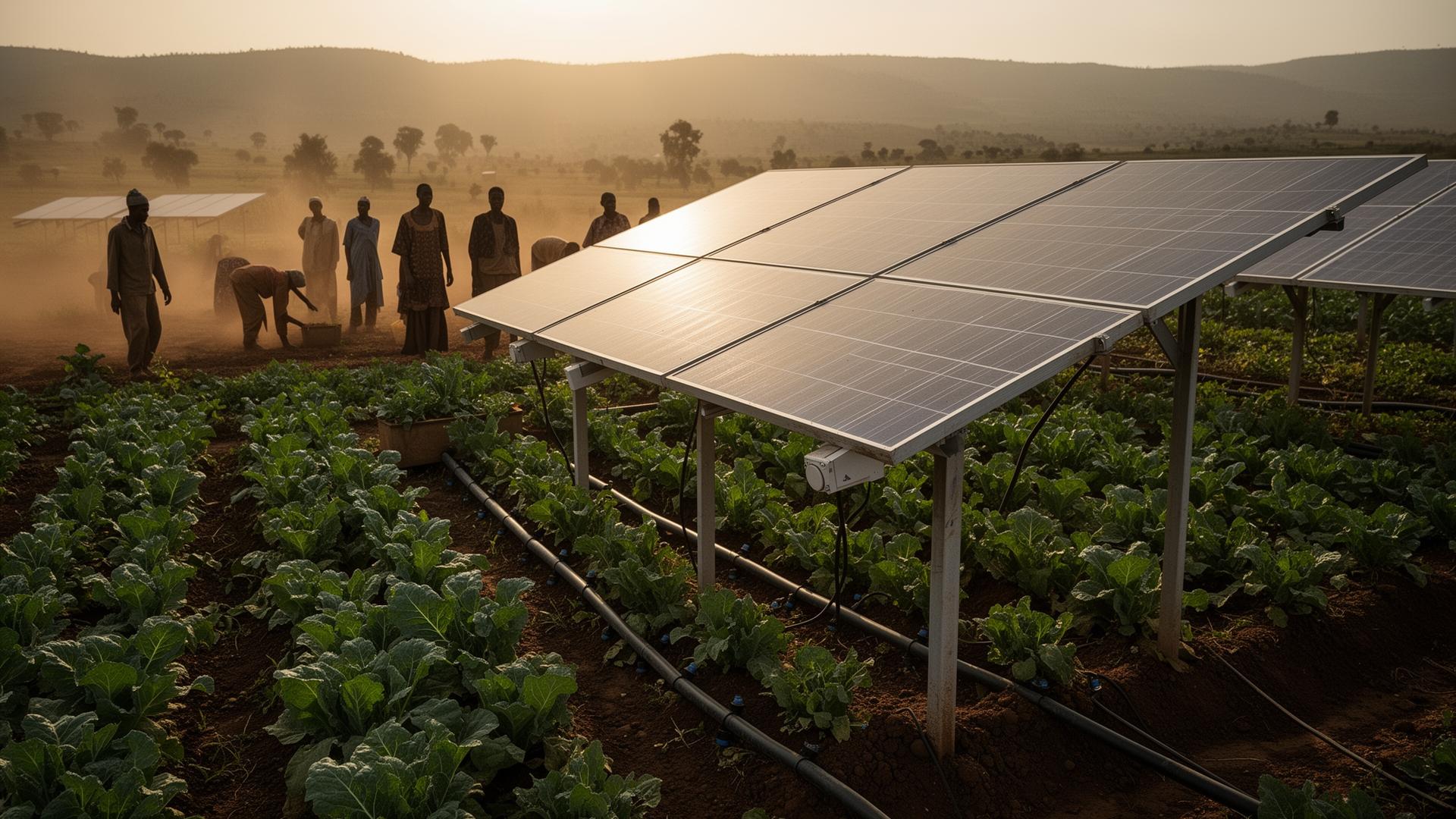
Solar-powered drip irrigation array over leafy cropland in Ethiopian highlands
Vertical A01 / AGRI

Solar Agriculture

Solar irrigation, milling, and cold-chain storage deployed for cooperatives. We close the post-harvest loss gap through localized energy hubs across Ethiopia's agricultural belt.

IrrigationSolar MillsCold ChainCooperatives
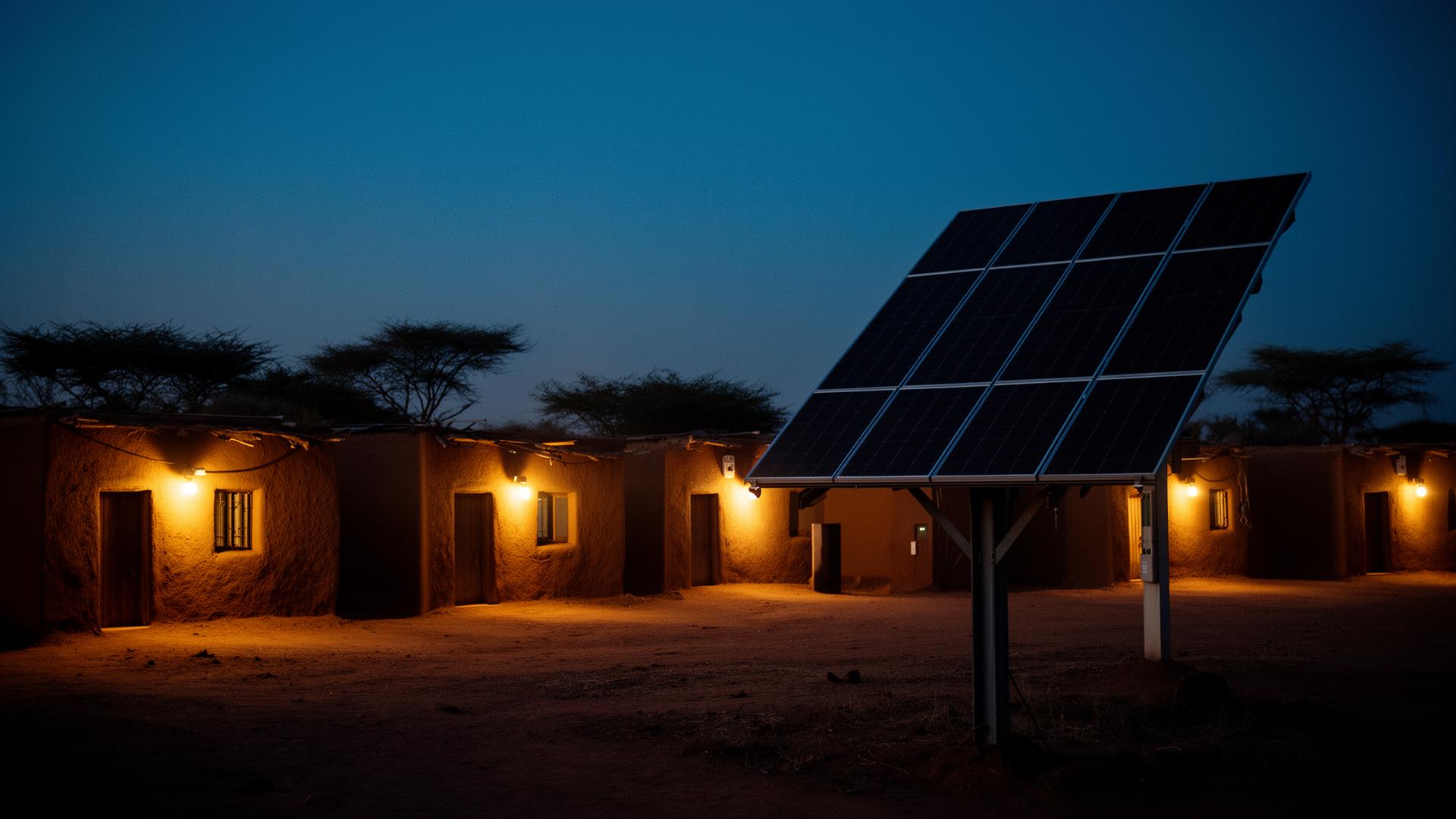
Rural East African village powered by a solar mini-grid at dusk
Vertical B02 / GRID

Rural Electrification

Build-Own-Operate-Transfer mini-grids for villages and institutional tenders. We deliver 24/7 power to underserved regions under sovereign off-take agreements.

BOOTMini-GridsTenders24/7 Power
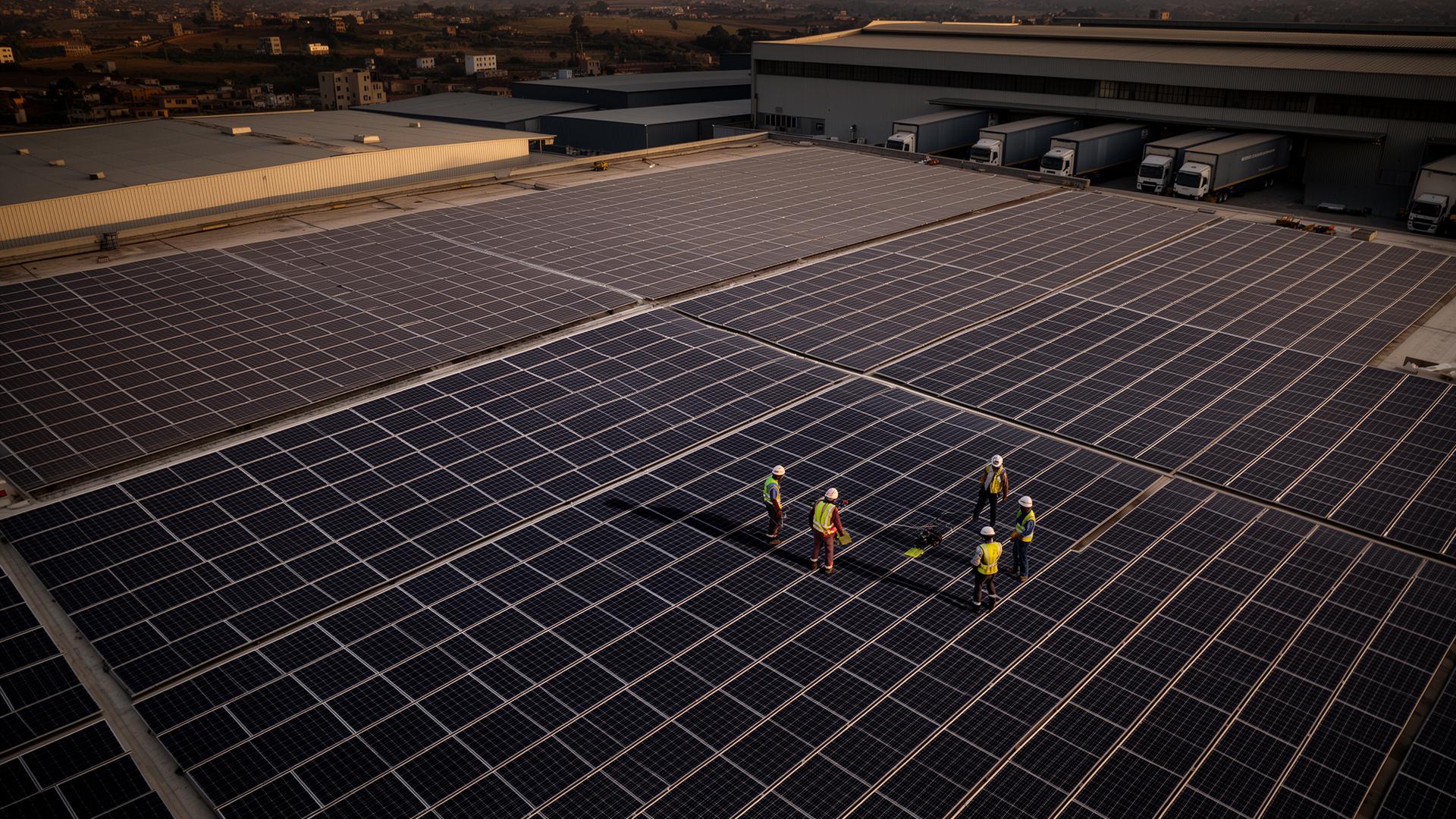
Aerial view of an industrial warehouse rooftop covered with commercial solar panels in Addis Ababa
Vertical C03 / URBAN

Urban Commercial

EPC and O&M services for commercial rooftop solar across the Addis Ababa industrial corridor — decarbonizing manufacturing for global supply-chain compliance.

EPCO&MRooftopIndustrial
USD 1M+ Founder Capital (declared)
80,000+ Beneficiaries · Year 5 (modeled)
Dual Canada–Ethiopia Jurisdiction
Canadian Capital · East African Energy
USD 1M+ Founder Capital (declared)
80,000+ Beneficiaries · Year 5 (modeled)
Dual Canada–Ethiopia Jurisdiction
Canadian Capital · East African Energy

[ Platform at a Glance ]

Source · ESC-IPM-2026-003
Pre-Revenue
Development Stage

No signed contracts or revenues

USD 1M+
Founder Capital (declared)

Ethiopian assets — not independently appraised

CAD 2–3.5M
Phase 1 Funding Target

Grants, quasi-equity, and debt

~30%
Base Case IRR

Management estimate — not audited

~Month 24
Model EBITDA Break-Even

Base case — highly conditional

8,900–9,700 tCO₂e
Phase 3 Abatement Target

Conditional on Phase 3 gate only

All figures are management estimates from ESC-IPM-2026-003. No independent CPA review has been conducted. No figure constitutes a guarantee of future returns.

Strategic Network

The Canada–Ethiopia Agricultural-Energy Flywheel.

Three contractual corridors close the loop: Ethiopian organic feedstock, Canadian hard-currency off-take, and domestic banking + compute backbone. Each partner is a live, independently operating entity.

[ Source · Integrated Feasibility Study · June 2026 ]
  1. P-01 · CA Off-takecaffacoffee.ca

    Caffa Coffee Importers Ltd.

    Canadian hard-currency channel

    Direct Canadian retail and wholesale presence secures immediate USD/CAD-denominated cash flow, insulating the integrated platform from ETB devaluation and providing the FX bridge for DFI debt service.

    FX Exposure
    USD / CAD
    Channel
    Direct Retail
    Function
    Hard-Currency Sink
    Visit Partner Site
  2. P-02 · ET Supplynasirabducoffee.com

    Nasir Abdu Coffee Export

    Organic-certified feedstock corridor

    EthioSolar 2.75 kW solar pumping systems irrigate 217 organic-certified hectares across Kaffa and Jimma zones (operated by Nasir Abdu since 1996), lifting smallholder farmer income from USD 207 to USD 709 per season and securing premium green-bean supply.

    Organic Hectares
    217
    Income Uplift
    USD 207 → 709
    Zones
    Kaffa · Jimma
    Visit Partner Site
  3. P-03 · Infra Backbonemekiya enterprise (link)

    Mekiya Enterprise

    Banking · Assembly · AI compute

    Diversified conglomerate providing banking relationships across 6 Ethiopian banks, local assembly logistics, a commercial real-estate solar pipeline, and direct access to Ethiopia's first 500+ GPU enterprise AI Data Center — hosting our Buna AI and EthioSense data layers.

    Banking
    6 ET Banks
    Compute
    500+ GPUs
    Layer
    Buna AI · EthioSense
    Visit Partner Site

Outbound links open external partner properties. EthioSolar Canada Inc. does not control third-party content. All commercial relationships are governed by separate executed agreements.

Operational Detail

Verticals, contractual mechanics, and carbon.

The mechanics that make the integrated platform underwritable — fee structure, baseload, and the carbon overlay.

[ IFS · June 2026 · §4 ]
V-A · Phase 1

Solar Agriculture · 40 Smart Irrigation Assets

Deployment of 40 smart solar-powered irrigation units to cooperative smallholders. A structured 10% O&M service fee is written into every lease as a non-optional condition at commissioning — guaranteeing asset preservation, predictable cash flow, and uptime accountability from Day 1.

Assets
40 units
O&M Fee
10% · contractual
Lease
Ring-fenced cash flow
V-C · Phase 3 Conditional

Circular Bio-Tech + Cold Storage-as-a-Service

Modular Anaerobic Bio-Digesters capture cooperative livestock waste to synthesize High-Grade Bio-Methane for 24/7 hybrid baseload thermal operations. Paired with decentralized Solar Cold-Storage-as-a-Service (CSaaS), the loop cuts post-harvest loss to <5% (regional baseline ~40%) and preserves export-grade green-bean quality.

Feedstock
Coop livestock waste
Baseload
24/7 hybrid thermal
Loss Cut
40% → <5%
ESG · Carbon

Voluntary Carbon Asset Monetization · Verra VCS

Nature-based and avoided-emissions credits via the Verra VCS pathway, anchored on diesel-pump displacement across the irrigation fleet. Modeled run-rate target: USD 600K+ in carbon revenue by Year 5, reinvested into Phase 3 expansion rather than distributed.

Standard
Verra VCS (pathway)
Driver
Diesel pump displacement
Y5 Target
USD 600K+ (modeled)
Investor Governance

Strict Phased Sequencing & Capital Ring-Fencing.

Capital is released against named operational gates — not against calendar milestones. Each gate is independently verifiable.

[ IFS · June 2026 · §5 ]
[ Simplified 5-Layer Capital Stack ]
  • L1Founder Equity
    Phase 1USD 1.0M
  • L2Canadian Innovation Grants
    Phase 1CAD 0.3M
  • L3Concessional Quasi-Equity
    Phase 1CAD 1.0–1.5M
  • L4Senior Working-Capital Debt
    Phase 1CAD 1.0–1.5M
  • L5Phase 2 Institutional DFI
    Phase 2USD 4–6M
EquityGrantQuasi-EquityDebtDFI

Layer sizes are management targets, not committed capital. No DFI Phase 2 line is currently signed.

[ Binding Phase Gates ]
  1. G-01Precondition

    Vertical A Asset Ring-Fence

    Phase 1 equity is 100% allocated to Vertical A physical assets (40 smart solar irrigation units) and the grant-funded CBMA training program. No cross-collateralization with later verticals.

  2. G-02Precondition

    ≥90% Lease Collection · Rolling 6 Months

    Sustained lease collection performance is a binding precondition before any Phase 2 capital can deploy into Vertical B (mini-grids) or Vertical C (bio-digesters / cold-storage).

  3. G-03Precondition

    Executed Feedstock Supply Agreements

    Vertical C activation is conditional on binding, executed FSAs covering cooperative livestock-waste supply at the volumes required for the modular Anaerobic Bio-Digester baseload.

[ Manifesto · 2026 ]

Sunlight is the cheapest sovereign currency on Earth.

We turn it into infrastructure, into agriculture, into liquidity — and into yield for the patient capital that builds nations.

[ 09° 1′ N · 38° 44′ E ][ Addis Ababa · Toronto ]
[ Thesis ]
Africa will not be powered by aid. It will be powered by capital that respects its soil, its sun, and its sovereignty.
Fatuma Abdulkarim · Founder & CEO, EthioSolar Canada Inc.
The Flow

From capital to kilowatt.

Scroll through the five stages of the EthioSolar capital cycle — from Canadian subscription to compounding impact in East Africa.

  1. [ Stage 01 · Capital Origin ]

    Canadian capital, Toronto-based SPV

    Investors subscribe through a federally incorporated Canadian holding company. CRA-compliant, audit-ready, with Canadian governance discipline from day one.

  2. [ Stage 02 · Sovereign Bridge ]

    Dual-jurisdiction corporate structure

    Capital flows from the Canadian holdco to the Ethiopian operating company — clean repatriation pathways and tax-treaty optimized structuring.

  3. [ Stage 03 · Deployment ]

    Assembly, EPC, and field operations

    Addis Ababa assembly unit converts capital into deployable solar systems — irrigation, mini-grid, rooftop — through a vertically integrated operations stack.

  4. [ Stage 04 · Off-take ]

    Sovereign and cooperative off-take

    Power purchase agreements with EEU, cooperatives, and industrial off-takers. Tariffs denominated and indexed for FX stability across the contract horizon.

  5. [ Stage 05 · Compounding Impact ]

    Kilowatts, carbon, and communities

    Verra VCS carbon credits stack on top of energy revenue. Each kilowatt feeds beneficiaries, displaces diesel, and generates yield — a triple-engine return.

[ Capital Flow ]020%
0102030405
CAD
5M+
Stage
01 / 05
Three Verticals · Live Deployment

Where capital lands. How kilowatts flow.

Toggle a vertical to see project footprint across the Ethiopian corridor and the capital-to-kilowatt flow that powers it.

Sites
0
Installed MW
0 MWp
Beneficiaries
0
tCO₂ / year
0
Ethiopian Corridor · Solar Agriculture
1 sites
Central Oromia
Capital → Kilowatt Flow
Agri · Irrigation & cold-chain electrification across the Rift Valley.

PV-driven pumping cooperatives and cold-storage hubs replacing diesel across smallholder farms.

  1. 01
    Tier I Capital
    EDC / CanExport senior debt
  2. 02
    Addis Assembly
    Locally-assembled PV + inverter kits
  3. 03
    Co-operative Off-take
    PAYG kWh tariff to farmers
  4. 04
    Yield Uplift
    +38% productivity · diesel displaced
Selected Site

Central Oromia

Oromia
Capacity
0MWp
Reached
0
Phase
Planned Y3+
Deployment Footprint

Phase 1 deployment target.

A single planned pilot in Central Oromia — no operating sites yet. Expansion is strictly conditional on Phase 1 performance gates.

  • Operating
  • Scaling Y2
  • Planned Y3+
Central Oromia
Selected Site

Central Oromia

Oromia · Planned Y3+

Phase 1 Target — Planned

Four-Year Trajectory

From pilot to platform — 2026 → 2029.

Company currently under formation. Staged capital and operational plan aligned to the EthioSolar Master Implementation Plan (April 2026).

[ Forward-looking · indicative milestones ]
  1. 2026active
    Phase I

    Incorporation & Foundation

    Company under formation: federal incorporation in Canada and EthioSolar Ethiopia PLC registration with EIC in progress. First USD 1M founder capital allocated to pilot solar irrigation sites in Oromia.

  2. 2027planned
    Phase II

    Vertical Validation

    Three-vertical model operational: agriculture, mini-grids, urban commercial. CanExport and EDC engagement initiated. Verra VCS methodology selection.

  3. 2028planned
    Phase III

    Assembly Unit

    Addis Ababa Industrial Zone solar assembly unit commissioned. COGS reduction of 35–45% targeted. BDC Climate Tech facility engaged.

  4. 2029planned
    Phase IV

    Regional Scale & Exit Readiness

    Cross-border tenders in Kenya, Djibouti, and South Sudan. First DFI concessional tranche drawn. Verra VCS carbon credit issuance. Strategic exit optionality: trade sale, IFC co-investment, or East African listing.

Institutional Alignment

Aligned with Canadian export agencies, climate-finance lines, and Ethiopian sovereign mandates.

[ Partner Pipeline · 2025–2026 ]
  • CanExportGovernment of Canada
  • EDCExport Development Canada
  • BDCClimate Tech Fund
  • Verra VCSCarbon Standard
  • EICEthiopian Investment Commission
  • DFIConcessional Lines
Competitive Advantage

Sovereign-Grade Moats

Three structural advantages that de-risk capital deployment and protect institutional returns.

$1M+

Deployed Capital

Proven track record of successful deployment and asset management across the Ethiopian market.

DUAL

Jurisdictional Structure

Bridging Canadian legal and financial standards with Ethiopian EIC operational licenses for maximum investor security.

0%

Import Duty Exemptions

Full customs and import-duty exemptions secured under EIC clean-energy mandates.

Year 2: Solar Assembly Unit

Scaling

Transitioning from import-reliance to localized manufacturing. Establishing a Solar Assembly Unit in the Addis Ababa Industrial Zone to compress unit economics and meet local-content requirements.

35–45%
COGS Reduction Target
100%
Local Content Alignment
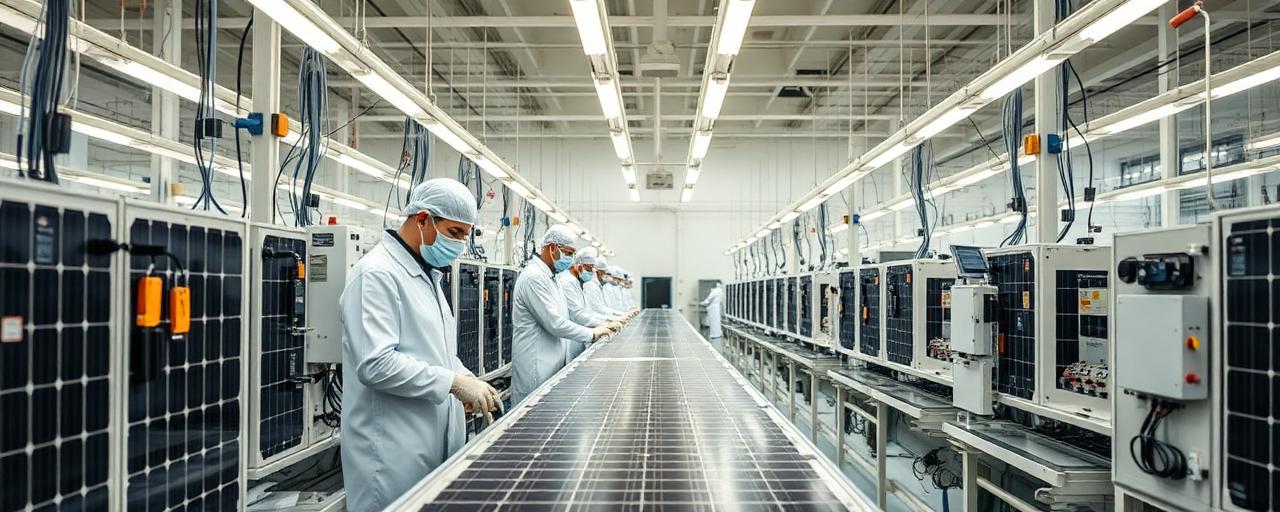
Technicians on a solar module assembly line in the planned Addis Ababa Industrial Zone facility, inspecting photovoltaic panels under cleanroom lighting
Strategic Approach
Leadership

About the Founder

Portrait of FATUMA ABDULKARIM, Founder of EthioSolar Canada Inc.
[ FATUMA ABDULKARIM · Founder ]
FATUMA ABDULKARIM

Founder, EthioSolar Canada Inc.

EthioSolar Canada Inc. was founded by FATUMA ABDULKARIM, an Ethiopian-Canadian entrepreneur and visionary leader. Driven by a deep commitment to sustainable development and regional empowerment, Fatuma established the company to pioneer clean energy solutions and solar-powered infrastructure in Ethiopia.

By bridging international expertise with local agricultural needs, she is dedicated to driving impactful economic growth and creating sustainable infrastructure for local communities across East Africa.

Heritage
Ethiopian · Canadian
Focus
Clean Energy
Mandate
East Africa
Market Context

The mandate, in their own words.

Verbatim statements from public institutional reports framing the East African clean energy opportunity.

[ Cited sources · third-party ]
Ethiopia has one of the largest energy access deficits in the world, with around 55 million people still lacking access to electricity.
World Bank Group
Ethiopia Access to Distributed Electricity and Lighting (ADELE) · 2023
Sub-Saharan Africa's solar PV potential is the highest in the world, yet it accounts for less than 1% of installed solar capacity globally.
International Energy Agency
Africa Energy Outlook · 2022
Ethiopia's National Electrification Program targets universal access by 2025, with 35% of new connections delivered through off-grid solar solutions.
Ministry of Water & Energy, FDRE
National Electrification Program 2.0 · 2019
Global Climate Impact Intelligence

The atmosphere doesn't pause for quarterly reports.

A live read-out of the planetary energy transition — emissions, renewable generation, grid carbon intensity — synthesized from the Global Carbon Project, Ember, IEA and ElectricityMaps.

Streaming · ticks from 2024-01-01 UTC
Global CO₂ Emitted YTDlive
94,395,204,407tonnes
Fossil + industry, since Jan 1 — Global Carbon Project 2023
Renewable Energy Generatedlive
22,715,423,520MWh
All renewables YTD — Ember Global Electricity Review 2024
Solar Photovoltaic YTDlive
4,038,297,515MWh
Utility + distributed solar generation — Ember 2024
Diesel Burned (Global)live
11,357,711,760,210litres
Stationary + transport diesel YTD — IEA WEO 2023

Renewables share of global electricity

Ember 2024

Wind, solar, hydro, bioenergy & geothermal as % of total generation.

15%20%25%30%35%2010201420182022

Grid carbon intensity, 2023

Ember · ElectricityMaps

gCO₂eq per kWh delivered. Lower is cleaner. Ethiopia's hydro-dominant grid is already among the cleanest globally.

  • Ethiopia
    28
  • Norway
    30
  • France
    56
  • Canada
    128
  • World
    481
  • China
    582
  • India
    713
Ethio-Solar Potential Impact Simulator

Model a hypothetical deployment.

Indicative · management estimate
50 kWp5 MWp
Energy / yr
875,000

kWh

CO₂ avoided
774

t / yr

Diesel saved
288,750

litres / yr

Land irrigated
116.7

hectares

Extra food
268.3

tonnes / yr

[ Model assumes 1,750 kWh/kWp/yr Ethiopian solar yield (NASA POWER), diesel displacement at 2.68 kgCO₂/L, drip-irrigation 5,000 m³/ha/yr, +2.3 t/ha cereal uplift (FAO) ]

Sources: Global Carbon Project · Ember Global Electricity Review 2024 · IEA WEO 2023 · ElectricityMaps · Our World in Data · NASA POWER · FAO

Impact Modeling

Model your capital. See the impact.

Linear projection derived from EthioSolar's Year-5 unit economics: USD 12M deployed → 80,000 beneficiaries, 18,000 tCO₂ avoided annually, and 200 direct jobs.

[ Indicative model · subject to project mix and tariff structure ]

$100K$5M
Beneficiaries
6,667

people with new energy access

CO₂ Avoided
1,500 t

tonnes per year, Verra VCS

Direct Jobs
17

technical & operational roles

Industry Context

Frameworks shaping our deployment thesis.

[ Public reports · not endorsements ]
  • IRENA
    Renewable Energy Market Analysis: Africa and its Regions
    2022
  • World Bank
    Ethiopia ADELE — Distributed Electricity & Lighting Program
    2023
  • IEA
    Africa Energy Outlook 2022
    2022
  • AfDB
    Light Up and Power Africa — New Deal on Energy
    2024
  • Verra
    VCS Methodology VM0042 — Improved Agricultural Land Management
    2023
  • EIC
    Ethiopian Investment Commission — Energy Sector Brief
    2024
Engage

Request the full capital stack memorandum.

[ FAQ · 06 ]

Questions investors ask

Plain answers on structure, returns, risk, and impact — the same questions we hear in every diligence meeting.